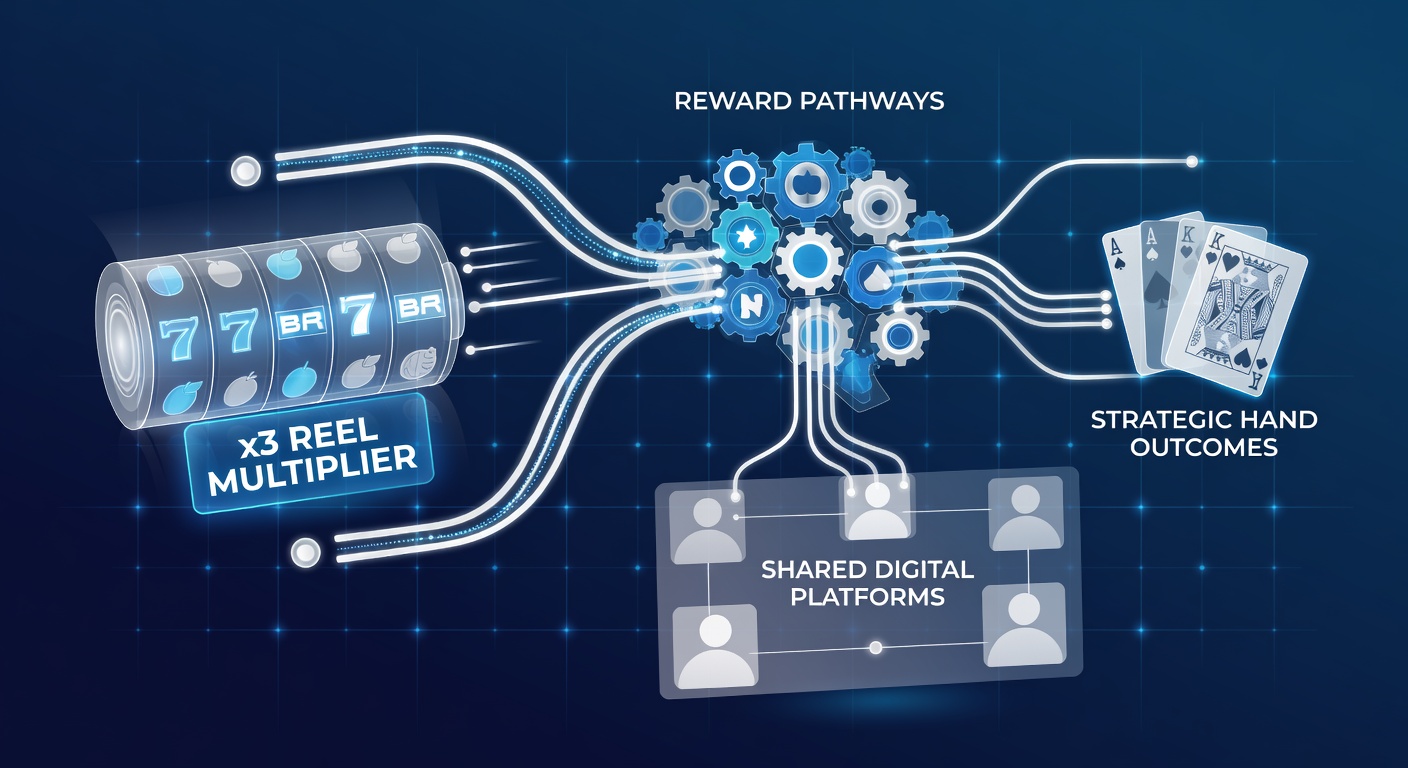
Mapping Reward Connections Between Slot Reel Multipliers and Poker Hand Strategies on Unified Platforms
Digital casino platforms continue to integrate slot reel multipliers with poker hand outcomes through shared reward systems that track player activity across game types, and observers note these pathways create unified progression mechanics where multiplier triggers on reels can influence hand-based bonuses in connected poker environments.
Core Mechanics of Reel Multipliers in Digital Slots
Slot reel multipliers operate as numerical boosters applied during spin sequences, with data from industry reports showing common ranges between 2x and 10x on standard titles while advanced versions reach higher values through progressive stacking. These systems record multiplier activations in player profiles, and platforms use this data to adjust subsequent reward eligibility across linked games. Researchers at institutions like the University of Nevada Reno have documented how such tracking supports cross-game loyalty calculations, where accumulated multiplier events contribute to tiered access in poker sections.
Strategic Hand Outcomes and Their Reward Structures
Poker hand outcomes depend on combinations such as pairs, straights, flushes, and full houses, each carrying distinct point values that feed into bonus calculations on shared platforms. Data indicates that strategic decisions during betting rounds generate separate metrics like aggression indices and fold frequencies, and these feed into reward pathways when platforms merge them with slot-derived multipliers. According to findings from the Canadian Gaming Association, integrated systems assign value to hand mastery by converting win probabilities into points that unlock enhanced reel features elsewhere on the same account.
Intersections Through Shared Digital Infrastructure
Unified platforms link these elements by maintaining centralized player ledgers that combine reel activity with hand results, allowing multipliers earned on slots to modify poker payout tables or hand bonus triggers in real time. What's interesting is how algorithms process these intersections: a sequence of high-multiplier spins can elevate the base value of subsequent poker hands, while strong strategic outcomes in poker tables can reduce wagering thresholds for reel bonus rounds. In May 2026 several operators plan to roll out updated APIs that standardize these connections across multiple jurisdictions, enabling smoother data flow between game categories without separate login requirements.

One study from the Australian Gambling Research Centre revealed that players engaging with both game types on integrated systems show elevated session durations compared to single-category users, and the platforms attribute this pattern to the multiplier-to-hand reward bridges that keep progression visible across interfaces.
Platform Examples and Data Patterns
Take one major European operator that introduced cross-game multipliers in 2024: reel activations began feeding directly into poker hand multipliers, and figures reveal a 15 percent rise in poker table participation within three months of launch. Similar patterns appear in North American markets where state-regulated sites connect slot loyalty points to poker tournament entries. Those who've analyzed transaction logs across these systems note that hand outcome streaks often trigger temporary reel multiplier boosts, creating feedback loops that platforms monitor for balance and regulatory compliance.
Regulatory Context and Future Developments
Government agencies in multiple regions continue to review how these reward intersections affect player behavior reporting requirements, and the Nevada Gaming Control Board has issued guidelines on transparent multiplier-to-hand conversion rates. Industry organizations such as the World Lottery Association track these developments through annual surveys, and their data shows increasing adoption of unified ledgers by mid-2026. Platforms must maintain audit trails that separate slot-derived multipliers from poker hand contributions while still presenting them as connected pathways to users.
Conclusion
The intersections between reel multipliers and strategic hand outcomes on shared digital platforms rest on centralized tracking systems that convert activity from one game category into eligibility enhancements for the other, and ongoing updates scheduled for May 2026 aim to refine these connections further while meeting diverse regulatory standards across regions. Data from academic and industry sources continues to map the precise mechanics driving these reward pathways without altering core game rules.