
Mapping Player Journeys: Layered Incentives That Link Virtual Slots to Card Play Traditions
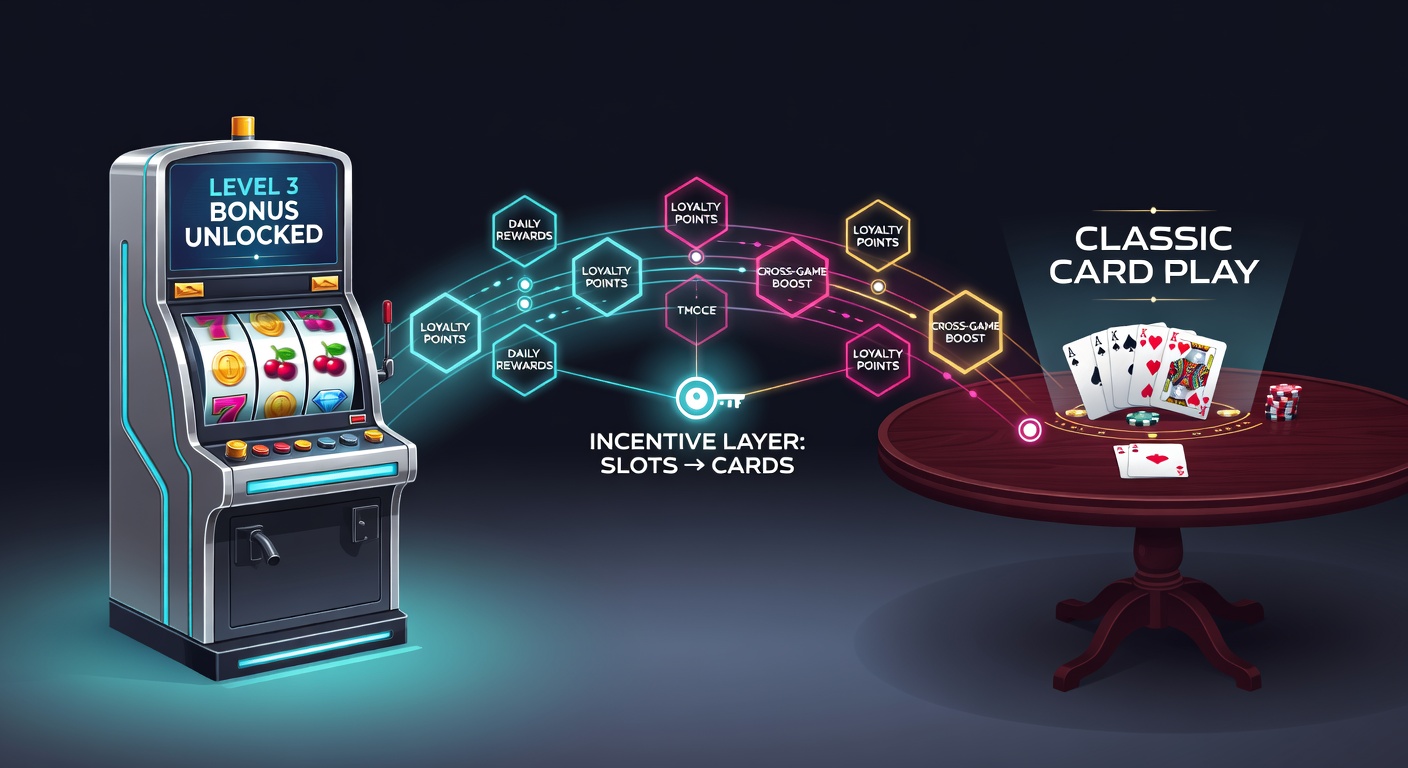
Players often move through casino ecosystems by following reward structures that start with virtual slot sessions and extend into classic card games, creating continuous engagement across different formats. These layered incentives include welcome bonuses, loyalty points, and tiered promotions that accumulate value as participants progress from reel spins to table decisions.
How Reward Structures Guide Initial Player Entry
Digital slot platforms typically introduce new users through deposit matches and free spin packages that build initial bankrolls. Once players complete wagering requirements on slots, accumulated points or credits frequently unlock access to card game tables where similar mechanics apply. Data from industry tracking services shows that conversion rates from slot-focused promotions to table game participation reach notable levels in markets where integrated loyalty systems operate.
Progression Through Tiered Loyalty Programs
Loyalty frameworks assign points based on wager volume across both slot reels and card tables, allowing players to climb status levels that deliver escalating benefits. A participant who begins with daily slot challenges might earn enough credits to receive reduced rake rates during poker sessions, while consistent card play contributes back to slot-specific multipliers. Observers note that these interconnected systems encourage extended play sessions because rewards earned in one area directly influence options in another.
Regulatory updates scheduled for May 2026 in several North American jurisdictions aim to standardize how operators disclose these cross-format reward pathways. The changes require clearer explanations of how slot-derived points translate into table game privileges, giving participants more transparent information when planning their activity.
Mechanics Connecting Slot Bonuses to Card Play Opportunities
Operators design bonus rounds on virtual slots that sometimes award entries into poker tournaments or blackjack tables. These crossover features activate after players meet specific spin thresholds, and the resulting table game credits carry their own playthrough conditions. Research from academic studies on gambling behavior indicates that such bridges increase overall session duration because participants perceive ongoing value in shifting between game types.
Take one case where experts tracked a cohort of users over six months. Those who started exclusively on slots and later received table invitations showed higher retention compared with players who remained in a single game category. The pattern suggests that layered incentives function as navigational tools rather than isolated offers.
Regional Variations in Incentive Design
European markets tend to emphasize cashback structures that apply uniformly to slots and cards, whereas North American platforms often separate progressive jackpots on reels from tournament buy-ins at tables. Australian regulatory frameworks, according to reports from state gaming authorities, require operators to publish conversion rates between different game categories, helping players understand exactly how their activity in one area affects rewards in another.
Industry organizations such as the American Gaming Association have published guidelines encouraging operators to maintain consistent communication about these transitions. Meanwhile, research papers from institutions in Canada highlight how players respond when incentives clearly map out the path from initial slot deposits to later card table privileges.
Player Behavior Patterns Across Formats
Tracking data reveals that many participants alternate between slots and cards within single visits, using slot sessions to build bankrolls that fund longer card play periods. Layered incentives support this movement by resetting or carrying over progress indicators when players switch games. Those who've studied these patterns find that reward visibility plays a key role in sustaining engagement because visible progress bars and upcoming milestones reduce the sense of starting over.
Yet operators face technical challenges when synchronizing real-time point balances across distinct game engines. Successful implementations rely on centralized player accounts that update instantly, allowing seamless movement without manual transfers or delays.
Future Developments in Cross-Game Reward Systems
As platforms continue refining these connections, new features such as shared achievement badges and combined leaderboards are appearing. These additions further link virtual slot experiences with classic card formats by creating communal goals that span both environments. Figures from market analysis firms show steady growth in the adoption of unified reward ledgers, particularly in jurisdictions updating their digital gaming rules during 2026.
Conclusion
Player journeys through layered incentives demonstrate how operators structure engagement across virtual slots and classic card play. The systems rely on point accumulation, crossover bonuses, and transparent progression mechanics that allow participants to move fluidly between formats. Continued regulatory attention and technological improvements will likely shape how these connections evolve in coming years.