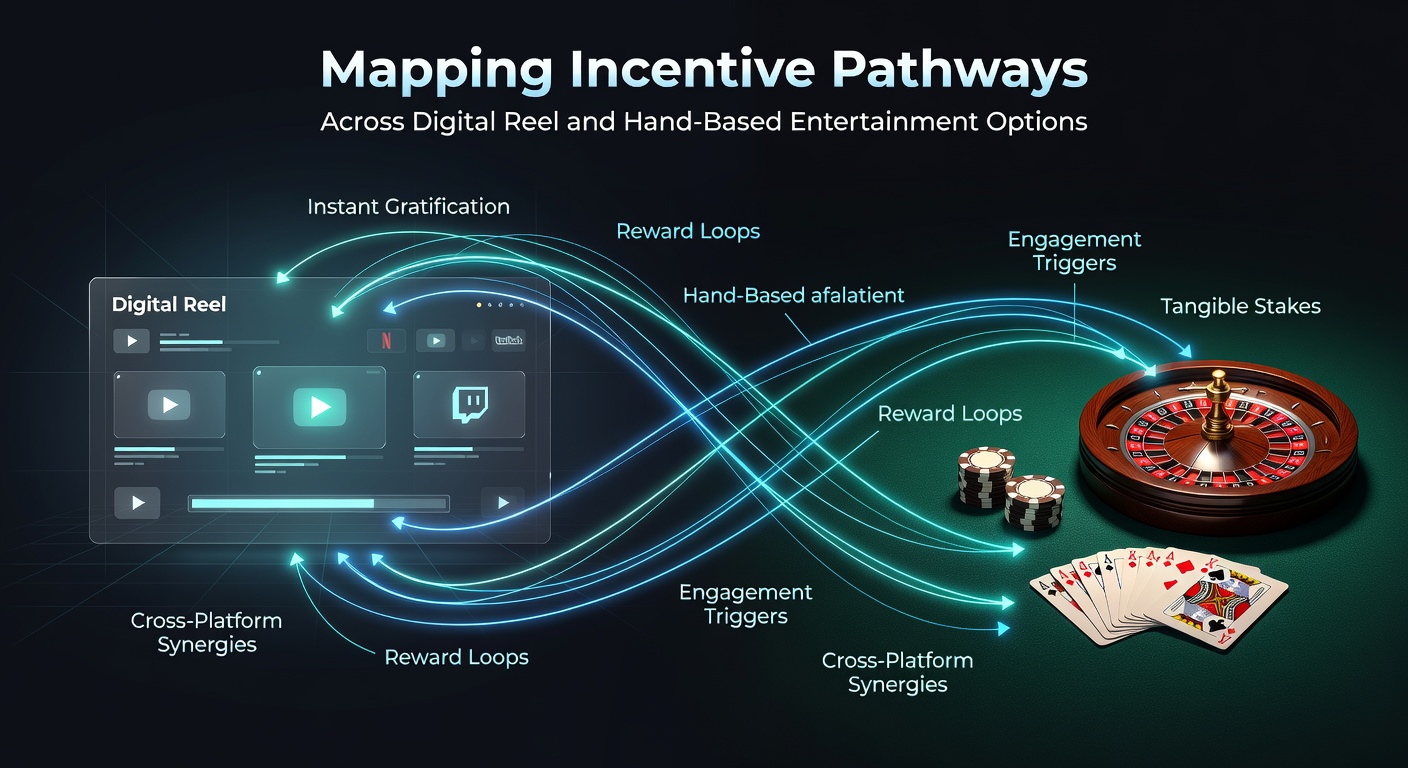
Mapping Incentive Pathways Across Digital Reel and Hand-Based Entertainment Options
Players encounter distinct incentive structures when navigating digital reel formats versus hand-based table options, and these pathways often diverge based on game mechanics, regulatory environments, and operator strategies. Data from industry reports show that reward systems for spinning reels emphasize volume-based rewards such as free spin packages and multiplier ladders, while hand-based formats like blackjack or poker tend to tie incentives to skill thresholds and session duration metrics. Observers note that mapping these pathways reveals how operators balance player retention across both categories without overlapping promotional mechanics.
Core Differences in Incentive Design
Digital reel incentives typically follow automated progression models where accumulated wagers unlock tiered benefits, and this structure aligns with high-frequency play patterns that generate rapid data points for personalization engines. In contrast, hand-based entertainment rewards often incorporate elements like loyalty points scaled to decision complexity, which researchers at institutions such as the University of Nevada, Las Vegas have tracked through longitudinal studies on player behavior. Those studies indicate that table game pathways reward strategic consistency more than sheer spin counts, creating separate tracks that operators maintain to avoid cannibalizing engagement between the two formats.
June 2026 marks the scheduled rollout of updated compliance frameworks in several North American jurisdictions, and these changes require clearer disclosure of how bonus funds convert across reel and table categories. Operators must now segment promotional offers so that reel-based free play cannot automatically transfer into table game credit without explicit player election, a rule that clarifies pathway boundaries for users.
Tracking Player Progression Routes
Progression mapping begins with entry-level sign-up offers that split along format lines, where digital reel bonuses activate through minimum deposit thresholds tied to reel volatility ratings, while hand-based entry incentives often require verified identity checks before granting access to low-stakes tables with cashback triggers. Industry organizations including the American Gaming Association have published aggregate figures showing that 62 percent of tracked accounts in 2025 utilized separate loyalty ledgers for each category rather than merged wallets.
Players who explore both formats frequently discover that reel pathways accelerate through daily login streaks and spin multipliers, whereas hand-based routes emphasize milestone achievements such as consecutive winning hands or tournament qualification. This separation allows operators to adjust risk exposure independently, since reel volatility data feeds one set of algorithms and table outcome variance informs another.
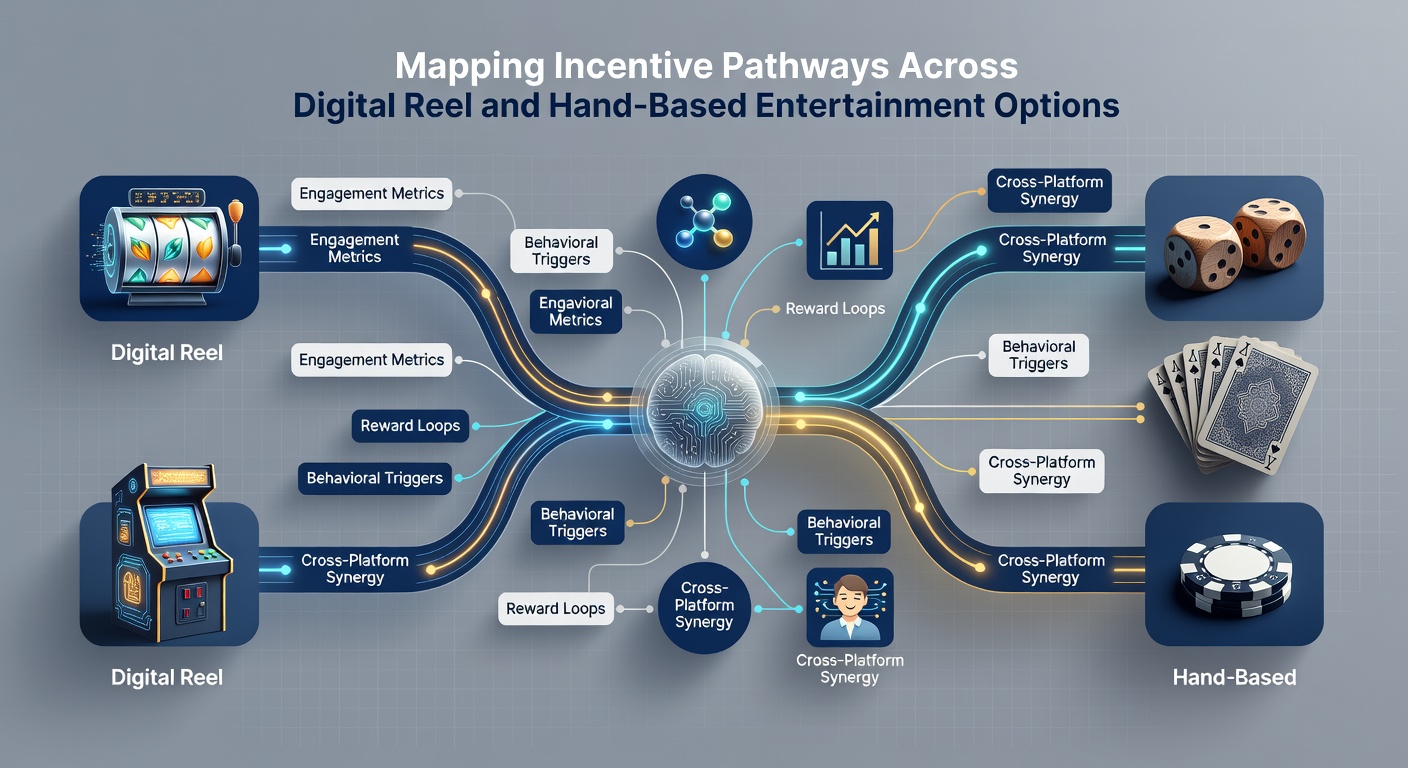
Regulatory Influences on Pathway Clarity
European regulatory bodies outside the United Kingdom, including the Malta Gaming Authority, have issued guidance requiring operators to publish conversion rates between reel and table bonus types, and these disclosures help users anticipate how remaining balances migrate when switching formats mid-session. Australian state-level oversight through bodies such as the New South Wales Independent Liquor and Gaming Authority similarly mandates separate audit trails for each entertainment category, reducing ambiguity in how promotional funds apply across digital and physical table interfaces.
Academic analyses from the Alberta Gambling Research Institute further demonstrate that transparent pathway documentation correlates with longer average session lengths when users understand the distinct reward mechanics at play. Figures released in late 2025 indicate that jurisdictions enforcing such clarity experienced a 14 percent reduction in dispute filings related to bonus eligibility across reel and hand-based offerings.
Practical Mapping Tools and Resources
Operators increasingly deploy interactive dashboards that visualize incentive trees for both categories, allowing users to project potential outcomes based on chosen deposit sizes and play styles. These tools integrate real-time data feeds that update as new promotions launch, and they distinguish between time-limited reel campaigns and ongoing table game rake-back structures. Industry reports from the Canadian Gaming Association highlight that adoption of such mapping interfaces has grown steadily since 2024, particularly among multi-format platforms seeking to retain users who alternate between reel and table sessions.
External data sources such as peer-reviewed papers hosted by the National Center for Responsible Gaming provide additional context on how different incentive designs influence cross-format migration rates, though operators remain responsible for implementing jurisdiction-specific rules that govern these transitions.
Conclusion
Mapping incentive pathways across digital reel and hand-based options requires attention to separate design principles, regulatory disclosures, and player behavior metrics that evolve with each format's unique characteristics. As frameworks update in June 2026 and beyond, operators continue refining these structures to maintain distinct yet accessible routes for engagement. Data from regulatory and academic sources underscore the value of clear documentation that supports informed navigation without merging the underlying reward systems.