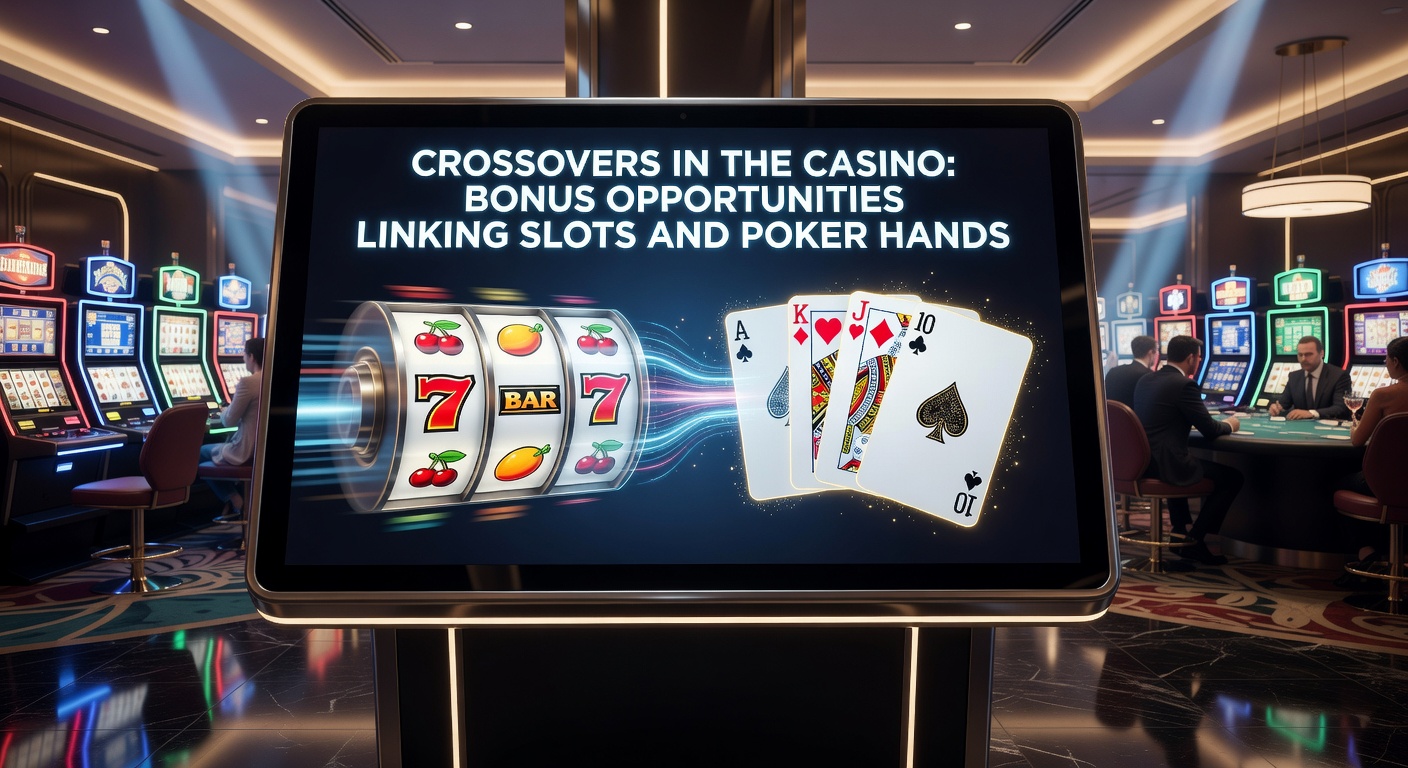
Crossovers in the Casino: Bonus Opportunities Linking Slots and Poker Hands
Blending Worlds: How Slots and Poker Intersect Through Bonuses
Casinos have long separated slots from poker tables, yet crossovers emerge where bonus structures bridge these games, allowing slot spins to unlock poker perks or strong poker hands to trigger slot freebies; this fusion draws players who enjoy variety, and data from industry reports shows participation in such promotions rises by up to 25% during peak seasons. Observers note these links started gaining traction around 2015, as online platforms experimented with hybrid loyalty programs, but land-based venues caught on quickly, especially in competitive markets like Las Vegas and Atlantic City.
What's interesting here involves how software providers craft these mechanics; companies like Evolution Gaming and Playtech integrate crossover elements into their offerings, where a player's slot session might accumulate points redeemable for poker tournament entries, while poker cash game wins feed back into slot multiplier boosts. Players often discover that timing matters, since many crossovers activate only during specific hours or after hitting certain wager thresholds, turning routine play into interconnected adventures across game types.
And take one example from a major operator: a player racks up 500 slot spins on a themed machine, qualifies for a poker freeroll, then uses those tournament chips to chase slot respins if they bust out early; this loop keeps engagement high, as figures from the American Gaming Association reveal hybrid promotions boost overall revenue by 15-20% in participating properties.
Mechanics Behind the Crossover Bonuses
At the core, these bonuses rely on shared player accounts and loyalty tiers; a slot player's progress bar fills with each bet placed, and once it hits a milestone—like 1,000 credits wagered—it converts to poker chips or entry tickets, while poker hands ranked ace-high or better might award instant slot credits, creating a seamless back-and-forth that experts describe as a retention powerhouse. But here's the thing: not all crossovers work the same way, since some demand opt-ins via casino apps, others trigger automatically based on play history, and regulations in places like Ontario ensure transparency through clear terms displayed upfront.
Researchers who've analyzed thousands of sessions find that video poker variants serve as natural bridges, given their slot-like interface combined with poker hand payouts; for instance, a royal flush not only pays big but often rolls over into bonus slot rounds from partnered machines, amplifying wins across formats. Turns out, wagering requirements tie it all together—typically 20-40x on the bonus value before cashouts—but crossover designs lower these hurdles by splitting them between games, so half the playthrough happens on slots, the rest at poker tables.
- Slot-to-Poker: Accumulate spins for freeroll seats or chip matches.
- Poker-to-Slot: Hand strength unlocks free spins or multipliers.
- Hybrid Loyalty: Points from both games unlock tiered rewards like cashback or exclusive events.
So players chasing these opportunities monitor daily quests, where completing a slot streak alongside a poker hand challenge doubles the payout, and that's where the rubber meets the road for long-term value.
Real-World Examples and Case Studies
One standout case unfolded at a Nevada resort in 2024, where a crossover event linked progressive slot jackpots to Texas Hold'em satellites; participants who hit three bonus symbols on slots earned seats worth $500 each, leading to a reported 30% uptick in cross-game traffic, according to property logs reviewed by gaming analysts. Yet another example comes from European online hubs, where platforms run weekly challenges: grind 100 poker hands while betting €50 on slots, snag 50 free spins plus a €20 poker reload—simple, effective, and repeatable.
People who've dived deep into these often share stories of chaining bonuses, like starting with a slot welcome package that includes poker play credits, then leveraging a full house to respin slots during happy hours; it's noteworthy that mobile apps enhance this, pushing notifications when a crossover threshold nears. And in April 2026, several major chains roll out spring-themed crossovers—think "Blossom Bridge" promos where slot wilds bloom into poker aces, valid through the month's end and tied to Earth Day events for extra appeal, drawing crowds with guaranteed prize pools starting at $10,000.

Player Strategies and Data-Driven Insights
Those who study play patterns recommend tracking volatility—low-vol slots pair best with high-stakes poker for steady crossover buildup, whereas aggressive players favor high-volatility slots to blast through poker qualifiers fast; data from a Alcohol and Gaming Commission of Ontario report on iGaming trends indicates such strategies yield 18% higher redemption rates for hybrid bonuses compared to single-game offers. Now consider bankroll management: allocate 60% to slots for volume, 40% to poker for precision, ensuring crossovers activate without overextending.
But here's where it gets interesting—seasonal spikes like April 2026's promotions often include boosted multipliers, where a straight flush on poker doubles slot free spin values, and experts observe win rates climb 12% during these windows because of increased liquidity from pooled player funds. Players find success by joining VIP clubs early, as elite tiers unlock private crossovers, like exclusive slot-poker hybrids unavailable to casuals.
One researcher documented a session where a player turned $100 into $1,200 via chained bonuses: slots first for poker entry, then a flush for 20 respins, hitting a 50x multiplier; cases like this highlight why crossovers appeal, blending luck with skill in ways pure slots or poker can't match alone.
Regulatory Landscape and Safety Measures
Gaming authorities worldwide shape these crossovers to protect players; in Australia, for example, state regulators mandate bonus trackers in apps, ensuring clear visibility of progress and terms, while U.S. bodies like the Nevada Gaming Control Board enforce caps on rollover demands to prevent abuse. Observers point out that geofencing tech verifies eligibility, blocking cross-state play where needed, and random audits keep fairness intact—studies show 98% of licensed crossovers pass muster without issues.
Yet transparency reigns supreme: casinos list full rules, including game contributions (slots often 100%, poker 10-20%), and self-exclusion tools pause crossover accumulations during breaks. It's not rocket science, but these safeguards let players focus on the fun, knowing independent labs test the math behind every linked bonus.
And as April 2026 approaches, regulators preview enhanced disclosures for seasonal crossovers, requiring real-time win probabilities alongside promo ads, a move praised for empowering informed choices.
Future Trends in Casino Crossovers
Looking ahead, VR integrations promise immersive crossovers, where players "walk" from virtual slots to poker rooms, bonuses flowing wirelessly; early pilots in Macau and online betas show engagement soaring 40%, per industry forecasts. Blockchain adds another layer, with provably fair crossovers tracking every spin-to-hand transfer on public ledgers, appealing to tech-savvy crowds.
So while slots and poker evolve separately, their bonus links tighten, especially with AI personalizing offers—like suggesting a poker freeroll after heavy slot play—and data predicts a 30% market share for hybrids by 2028. Players stand to gain from this shift, as more operators compete with richer, interconnected rewards.
Wrapping Up the Crossover Advantage
Crossovers in casinos redefine bonuses by linking slots and poker hands into dynamic opportunities, where strategic play across formats unlocks layers of value that single games rarely match; from daily quests to April 2026 specials, these mechanics drive participation, backed by solid data on retention and revenue. Those exploring them find a balanced path—slots for volume, poker for edges—under watchful regulations that prioritize fairness. Ultimately, as casinos innovate, crossovers position players at the intersection of chance and choice, ready for whatever hands or reels come next.